Perhaps Jean Rhys is right after all. Perhaps the best way for a writer to deal with something, or to get past something or merely to understand it is to write it down. Or perhaps that is to write it out. Or more than that, to write it off. Maybe this explains the memoir craze. Or the blog. I don't know. So I'm watching this remarkable play, After Mr. Rochester about Jean Rhys's remarkably screwed up life and I still envy her a little for at least having lived it.
The sad and amazing thing about Rhys was that all along she was only looking for a way to love herself. Self love is such a vast, infinite thing that you can only come by it simply, for once you over-analyse self love or try to comes to terms with it; once you think about it too much, you can never achieve it. The mistake Rhys made was to fail to see how vast and how simple self love was so she looked for substitutes in the only form of love she recognised, a father figure. Talk about Electra complex. Rhys surrounded herself with big daddies, I guess because she was looking for a big love, something that no other person could give her. I think this is why she exhausted all of her lovers. I also think this is why Michael Jackson never feels loved until 100,000 fans scream his name. Maybe God can provide this love since he is vast and infinite too, but he can also seem judgmental and distant to some, friend and enemy. If as the line goes in South Pacific, that we are carefully taught to hate and fear maybe we can unlearn them too. Maybe we can unlearn self loathing. Must every great artist have a self hating streak? Didn't Jean Rhys transfer hers to writing and Naipaul to everybody just like him? Is happiness a false goal for an artist? What's so meaningful about pain anyway? Just a thought.


Out NOW!

John Crow's Devil Paperback UK

John Crow's Devil Paperback USA

READING RIGHT NOW...

CHEEVER, A LIFE, by Blake Bailey: Engrossing, maddening, funny but also unbearably sad, Cheever's greatest work of fiction may have been himself
Reading Right Now...

In Hazard, by Richard Hughes
Rocking My World
-image007.jpg)
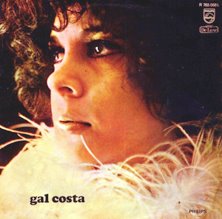
GAL COSTA. You get the feeling that the tropicalia subversives were really trying to make a hit with this one, and it's all the better for it. Beck would have to become a scientologist to make this...er...wait a minute....
Other Sonic Obsessions - Hiphop Bebop Don't Stop

